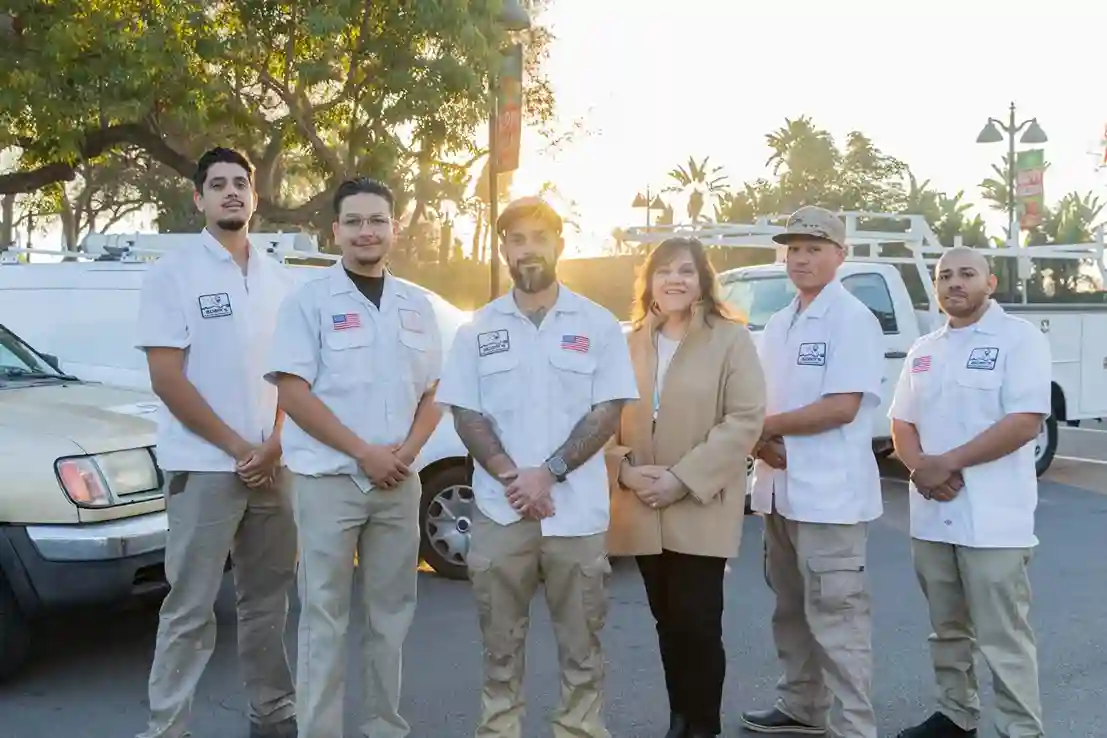
I'm Adam, the owner and lead technician at Adam's Pool & Spa, and I've built and serviced pools across Long Beach and the South Bay for about fifteen years. Lately I get the same two questions from Manhattan Beach owners before they commit to resurfacing: what is this going to cost, and how long will my pool be out of commission. Both are fair, and both have honest answers once you understand what drives them. So here is how I think about the cost and timing of a resurfacing job, written for a Manhattan Beach backyard, with no sales pitch attached.
What pool resurfacing actually involves
Every pool interior has a finish, whether that's plaster, a pebble aggregate, or a quartz blend, and that finish is what your water and your feet actually touch. Over the years it wears down. It gets rough underfoot, it starts to stain, and in older Tree Section and Hill Section pools I often find hollow spots where the surface has begun to separate from the shell underneath. Pools here also work hard, because our long swim season means they run most of the year, so surfaces in the South Bay tend to age a little faster than the manufacturer charts assume.
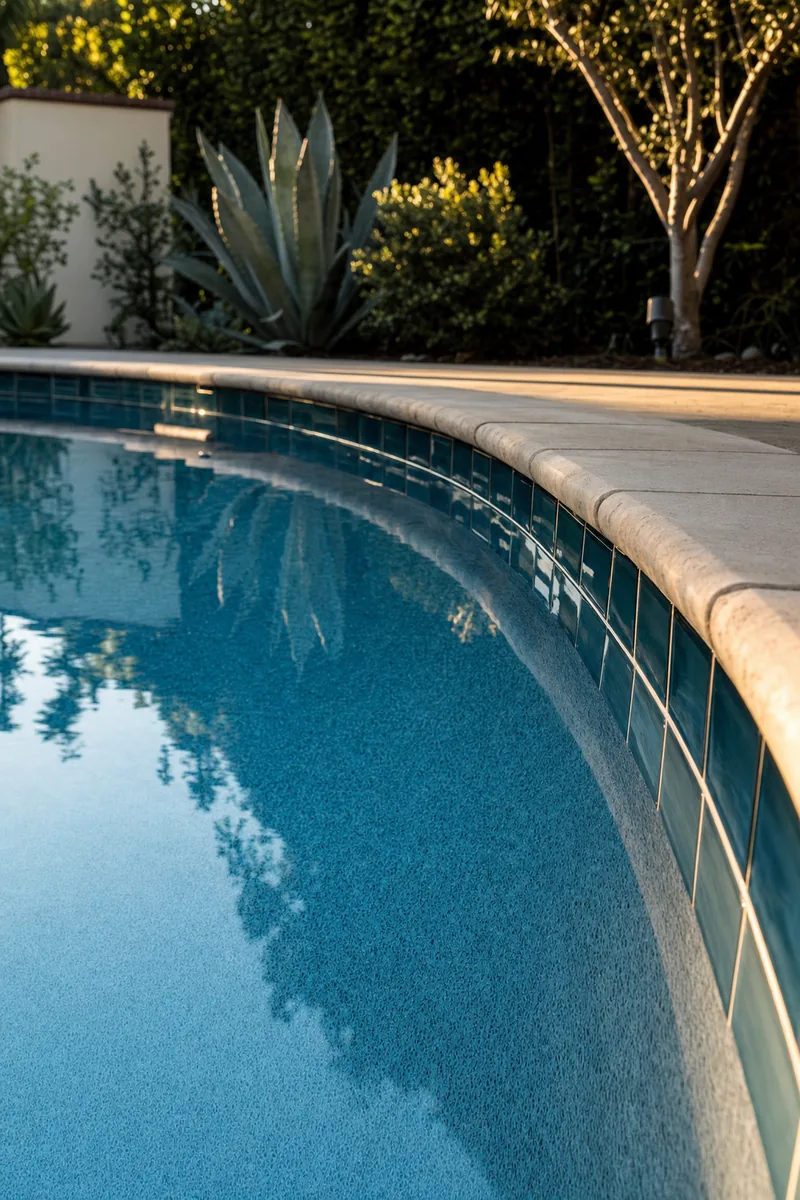
Resurfacing is how you fix all of that at once. It is not a patch and it is not just an acid wash. It means chipping out the tired old finish, prepping the surface underneath, and applying a fresh interior. When it's done well, the pool looks and feels brand new, and the surface is smooth and bright again. It's one of the few projects that genuinely resets the clock on a pool, which is why it's worth planning properly rather than rushing.
What drives the cost of resurfacing in Manhattan Beach
There is no single price for resurfacing, and anyone who quotes you one over the phone is guessing. The number comes from a handful of real factors, and once you know them you can see why two pools on the same street can land far apart.
The first is size. A larger interior surface means more material and more labor, plain and simple. The second, and usually the biggest lever, is the finish you choose. A basic plaster costs less up front than a pebble or quartz finish, but it also wears out sooner, so the right choice depends on how long you plan to stay in the house. Because that decision matters so much, I wrote a separate guide on pool resurfacing finishes to walk through the trade offs.
Then there's prep. If the old surface is failing badly, more of it has to come out, and that adds time and cost. Extras like new waterline tile or fresh coping add to the number too, though doing them now while the pool is already drained is far cheaper than doing them later.
Access is the factor people forget, and in Manhattan Beach it matters a lot. Sepulveda Boulevard roughly splits the flat east side from the beach side, and the two can be very different jobs. A home on one of the narrow Sand Section walk streets near The Strand has no driveway to back a truck up to, so old material gets wheeled out by hand. A steep Hill Section lot adds the same kind of labor. A wider East Manhattan yard near Manhattan Village, or an established pool over in the Tree Section near Polliwog Park, is usually easier to work, and that shows up in the estimate.
How long does a pool resurfacing take?
From the day we drain the pool to the day you can swim, most jobs I run land somewhere around one to two weeks. Here is roughly how that time breaks down.
The first day is draining the pool and chipping out the old finish. Next comes a day or two of prep, plus any tile or coping work you're adding while the shell is exposed. Applying the new finish is usually a single focused day, with the crew working the surface smooth. After that, the pool gets filled, which can take most of a day on its own for a larger pool, and then the startup begins.
Startup is the part owners underestimate. A fresh plaster or aggregate surface needs its water balanced carefully over the first days and weeks so it cures the right way and lasts. I brush the surface and adjust chemistry closely through that window, because rushing it is how you get a blotchy or dusty finish that never looks right. It is worth the patience to stay off it a little longer than you'd like. Our coastal weather plays a role too. A heavy marine layer sitting over Manhattan Beach and Hermosa Beach can slow curing, so I build a cushion into every timeline instead of promising a date the weather might break.
The best time of year to resurface in the South Bay
The mild climate here means resurfacing can happen almost any month, but some windows are easier than others. The cooler shoulder seasons, on either side of summer, tend to be the smoothest. Fewer people are swimming, so losing the pool for a couple of weeks barely registers, and the suppliers who provide finish materials aren't slammed the way they are in the spring rush.
If your heart is set on a resurfaced pool for the Fourth of July stretch, when everyone from El Segundo down to Redondo Beach is in the water, the move is to book early. Good crews fill their calendars months ahead heading into summer, so a winter or early spring start is often the way to have it ready and cured in time. The calendar matters less than lead time. Deciding early is what keeps you in control of the schedule instead of waiting on it.
Signs your Manhattan Beach pool is ready
You usually feel it before you see it. A finish that has run its course turns rough underfoot, almost like fine sandpaper, and that texture snags swimsuits and skin. From there the visual signs follow: staining that won't brush or scrub out, chips and flaking around the steps and floor, and patches of exposed aggregate where the smooth top layer has worn through.
Chronic chemistry struggles are another tell. When an aging surface gets porous, it fights your water balance and your circulation, and you find yourself adding more product for less result. A lot of owners live with these signs for a year or two longer than they need to, which is a shame. None of it is cause for alarm, though. It's simply a pool telling you it's ready for its next chapter. A resurfacing brings it back to smooth, bright, and easy to care for, ready for a lot more summers within walking distance of the Manhattan Beach Pier.
The questions Manhattan Beach owners ask me most before starting a resurfacing project, answered plainly.
Planning a resurfacing that lasts
The best resurfacing projects start with a clear look at the actual pool and an honest conversation about your finish, your budget, and your timeline. You should never have to guess at a number or a schedule, because guessing is how people end up disappointed on both. If you're weighing a resurfacing anywhere across Manhattan Beach, from the Sand Section and Tree Section to the Hill Section, East Manhattan, and Manhattan Village, or out into Hermosa Beach, El Segundo, and Redondo Beach, I'm glad to take a look and give you straight answers. Reach out through our contact page and tell me about your pool. We're Jandy Certified, a Pentair Expert Installer, and we back our work with a twenty-four hour callback guarantee.
Adam is the founder, owner, and lead technician of Adam's Pool & Spa, serving Long Beach, Manhattan Beach, and the surrounding South Bay for about fifteen years. He is Jandy Certified and a Pentair Expert Installer, and he built the business on education-first, anti-pressure service, including the "Pool School" session every new client gets.