In this guide
A pool acid wash is a deep clean for plaster and pebble pools. The pool is drained, and a diluted acid solution strips a thin outer layer of the surface. That removes stains, mineral scale, and embedded algae. It can make a tired pool look much brighter, but each wash takes some plaster with it.
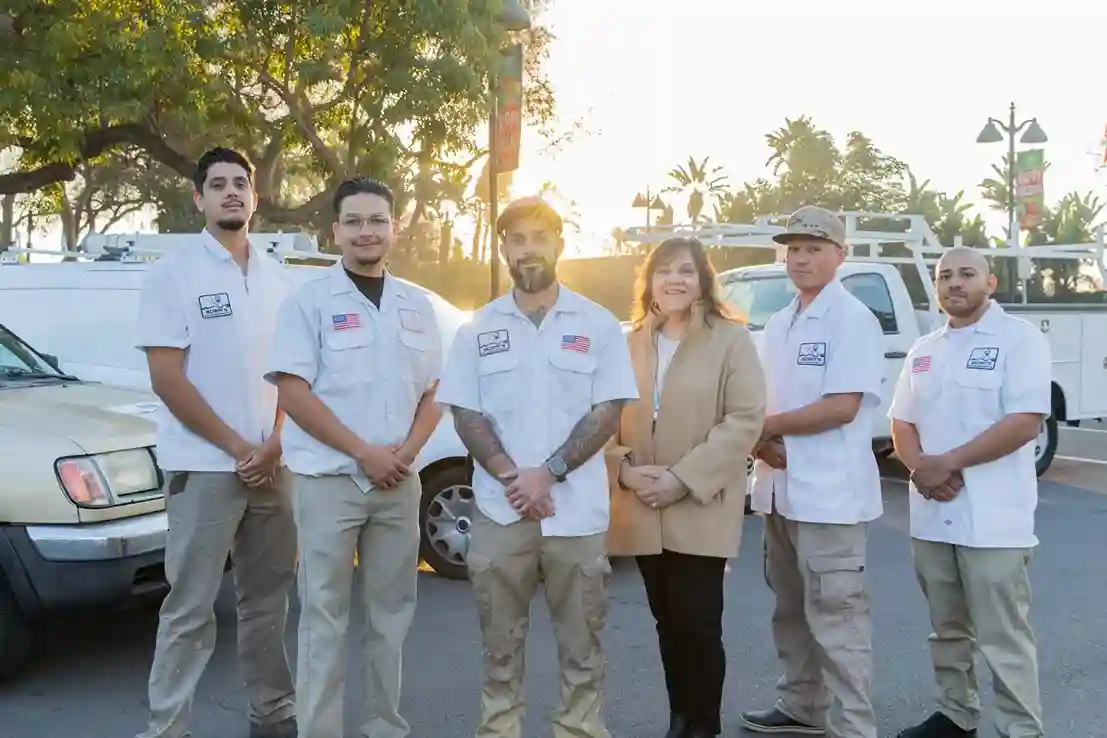
I'm Adam, owner and lead technician at Adam's Pool & Spa in Long Beach. I get asked about acid washing a lot, usually by owners hoping it can stand in for pool resurfacing. Sometimes it can buy a few good years. Sometimes it's money spent on a surface that's already at the end. This post covers how to tell the difference.
When does a pool need an acid wash?
When stains or scale won't come off with brushing, chemistry, and spot treatment. An acid wash is the next step after the easier fixes fail, not the first move.
These are the common reasons we recommend one:
- Widespread staining that brushing and chemical treatments can't lift
- Black algae rooted into the plaster
- Mineral scale coating the surface after years of hard water
- A pool that sat green for weeks and left the plaster discolored
- A dull, blotchy surface on plaster that's otherwise smooth and sound
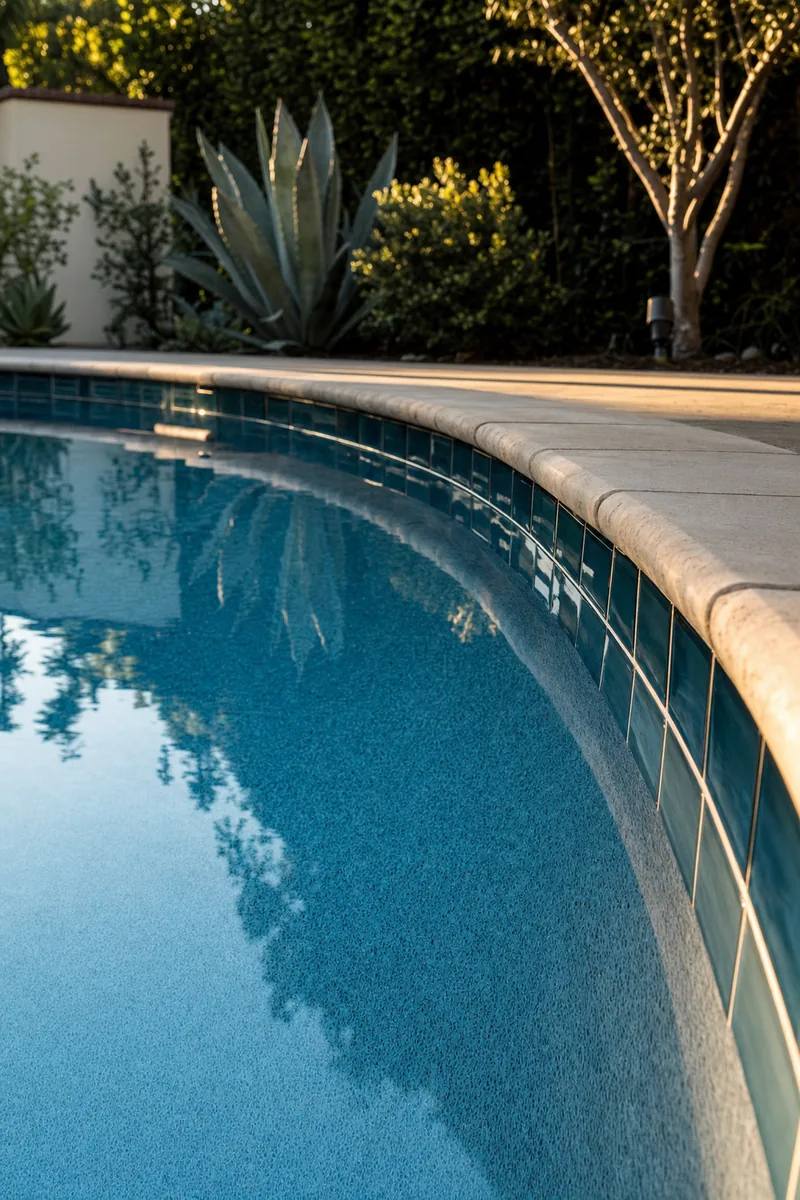
Tile is a separate case. Calcium scale on waterline tile usually comes off better with bead blasting, which doesn't etch the glaze. Our pool tile repair page explains that choice.
When should you resurface instead?
When the surface itself is failing, not just dirty. An acid wash cleans plaster. It can't rebuild it, and it removes some of what's left.
Skip the acid wash and look at resurfacing if you see these:
- Rough plaster that scrapes feet or snags swimsuits
- Exposed aggregate or bare spots
- Flaking, chipping, or hollow-sounding areas
- Cracks that keep spreading
- A finish that's already been acid washed several times
Our post on the signs your pool needs resurfacing goes deeper on each one. If several apply, an acid wash is likely money spent on a short-term look.
How a pool acid wash is done
The process takes a day or two, plus the refill. This is the order a careful crew follows.
- Check the pool before draining. Look at the plaster, the shell, and the conditions around the pool.
- Drain the pool. Pump the water out where local rules allow.
- Wet the surface. A wet surface helps the acid work evenly.
- Apply the acid in sections. Work top to bottom, let it act briefly, then rinse right away.
- Neutralize the rinse water. Treat the acid water at the deep end before it's pumped out.
- Refill and rebalance. Fill the pool and bring pH, alkalinity, and chlorine into range.
Draining a pool is a real decision on its own. An empty pool exposes plaster to drying, and ground conditions can push on an empty shell. That's one reason we inspect first.
Acid wash safety before anyone starts
Muriatic acid is a strong, corrosive chemical, and an acid wash uses a lot of it. A CDC release on pool chemical injuries estimated 4,535 U.S. emergency visits a year from pool chemicals during 2008 to 2017.
These steps apply to anyone handling the acid:
- Wear chemical goggles, acid-resistant gloves, boots, and the respirator the label calls for.
- Add acid to water, never water to acid.
- Never mix acid with chlorine or any other pool chemical. CDC calls chlorine and acid an especially dangerous mix.
- Keep kids, pets, and anyone without gear away from the pool and the mixing area.
- Work with fresh air, and keep a hose running nearby for rinsing.
- Store acid sealed, out of reach, and away from chlorine.
If any of that feels uncertain, call a pro. The same applies if your pool has structural concerns, tricky drainage, or a surface you're not sure can take another wash.
How much does a pool acid wash cost?
We don't publish our own prices, but sourced national figures give you a frame. Homewyse estimates the May 2026 national average at $0.56 to $0.68 per square foot, not counting items like permits and sales tax.
Compare that with resurfacing. In the Long Beach market, resurfacing a pool typically runs $25,000 to $50,000. That gap is why an acid wash is worth trying on a sound surface. It's also why repeated washes on failing plaster rarely pay off. Our pool resurfacing cost guide breaks down the resurfacing side.
The questions Long Beach pool owners ask most about acid washing, answered plainly.
Not sure if your pool needs an acid wash?
The right answer depends on the plaster under the stains, and that's something we can check in person. At Adam's Pool & Spa, we'll look at your surface. Then we'll tell you whether an acid wash will help or it's time to resurface. We work across Long Beach and nearby neighborhoods, and we won't push a bigger job than your pool needs. Reach out through our contact page to set up a visit.
Adam is the founder, owner, and lead technician of Adam's Pool & Spa, working on pools in Long Beach and nearby LA County for about fifteen years. He is Jandy Certified and a Pentair Expert Installer, and he built the business on education-first, anti-pressure service, including the "Pool School" session each new client gets.
Frequently asked questions
What is a pool acid wash?
It's a deep clean for a plaster or pebble pool. The pool is drained, and a diluted acid solution is applied to the surface to strip a thin outer layer. That takes stains, scale, and embedded algae with it, then the acid is neutralized and the pool is refilled and rebalanced.
How often should you acid wash a pool?
Only when the surface needs it, not on a schedule. Every acid wash removes a little plaster, so each one shortens the life of the finish. Many pools go years between washes, and some never need one with steady chemistry.
Does an acid wash damage pool plaster?
It removes some of it by design. Done carefully on a sound surface, that's a fair trade for a cleaner look. On thin, rough, or flaking plaster, an acid wash can make things worse, and resurfacing is usually the better call.
How much does it cost to acid wash a pool?
We don't publish our own prices. Homewyse puts the May 2026 national average at $0.56 to $0.68 per square foot, before items like permits and tax. Your pool's size, staining, and drain and refill needs change the total.
Can I acid wash my pool myself?
It's possible, but it's one of the riskier pool jobs to do yourself. You're handling concentrated acid in an empty pool, which needs protective gear, ventilation, and a plan for neutralizing the rinse water. Draining a pool also carries its own risks. Most owners are better off having a pro do it.