In this guide
- So, how long does pool resurfacing take?
- The resurfacing timeline, step by step
- What makes one pool take longer than another
- How the South Bay itself affects your schedule
- The cure: why the job isn't finished when the water's back
- The best time of year to resurface in the South Bay
- A realistic timeline beats a rushed promise
- Frequently asked questions
I'm Adam, owner and lead technician at Adam's Pool & Spa. Resurfacing is one of the biggest jobs a pool owner takes on, and the first question I get, whether the pool sits on a narrow walk-street lot in the Manhattan Beach Sand Section or up on a slope in the Hill Section, is always the same. How long is this going to take? Here's the honest timeline from someone who runs these jobs start to finish, so you can plan your summer around it instead of guessing.
The resurfacing timeline, step by step
Here's how a standard replaster breaks down for an average pool. Larger pools, spa combinations, and pebble finishes push the longer end of each range.
- Drain the pool, about half a day. We pump the water out to a safe, code-friendly location. Bigger pools take longer to empty.
- Chip out the old surface, one to two days. The crew removes the failing plaster down to a sound base. This is the loud, dusty part, and it's the step people underestimate most.
- Prep, bond coat, tile and coping, one to two days. We prep the shell, handle any tile or coping you're replacing, and set the surface up to accept the new finish. Replacing tile is what most often adds a day here.
- Apply the new finish, one day. The plaster crew trowels the new surface on in a single working day. A quartz or pebble finish adds an exposure step, usually another day.
- Refill, one to two days. We start the fill immediately so the fresh finish stays wet. A full residential pool can take twelve to thirty-six hours to fill depending on size and water pressure.
- Start-up chemistry, first several days. We balance the water and brush the surface daily. This early start-up is not optional. It is what sets the finish up to last for years.
Add those up and you land at that one-week-of-work, one-to-two-weeks-on-the-calendar answer. New pool construction is a completely different scale of project, measured in weeks and months rather than days, but a resurface on an existing shell is a much shorter job.
What makes one pool take longer than another
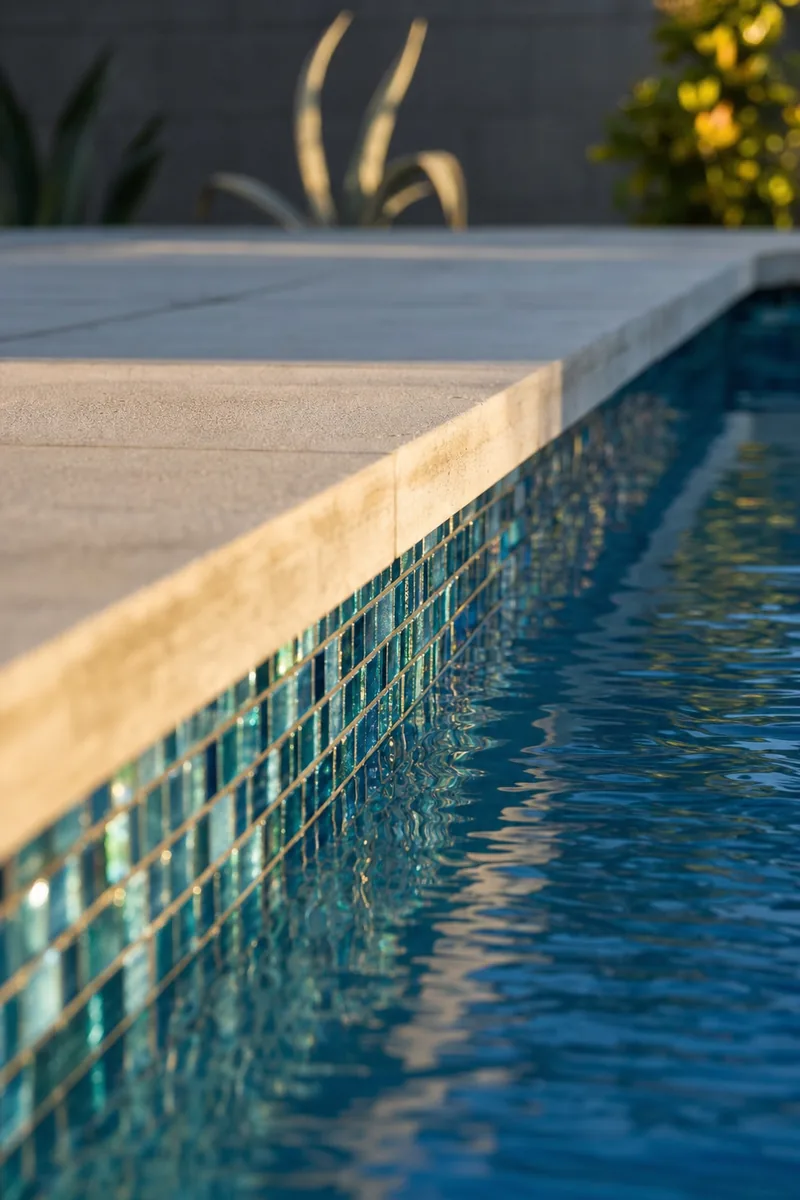
Two pools three blocks apart in East Manhattan can have very different timelines, and the finish is the biggest reason. A plain white plaster is the fastest to apply and start up. Quartz and pebble finishes look richer and hold up longer, but the crew has to expose the aggregate after troweling, which adds a work day and a more involved start-up. If you're still weighing your options, my guide to choosing a pool resurfacing finish walks through the trade-offs so you can pick before you book the drain date.
Beyond the finish, size and shape matter. A big freeform pool with a raised spa, water features, or a lot of tile simply has more surface to chip, prep, and coat than a small rectangular lap pool. Whether you're only resurfacing or also replacing tile, coping, and equipment changes the number of steps too. And the condition underneath counts. When we chip out an old surface and find the shell needs repair, honest prep takes the time it takes, because rushing the base is how a brand-new finish fails early.
How the South Bay itself affects your schedule
Where your pool sits shapes the timeline as much as the pool itself. Access is the first thing I look at. In the Sand Section near the Manhattan Beach Pier, and along the Hermosa Beach Strand, a lot of homes have no driveway and narrow walk-street access, so material moves by wheelbarrow and hand instead of straight off a truck. On the slopes of the Hill Section, grade and tight setbacks slow the same steps down. None of this is a problem, it just means the chip-out and haul-off take a bit longer than they would on a wide El Segundo lot near The Point.
Weather is the second factor. Our marine layer, the June gloom that hangs over Redondo Beach and the coast on summer mornings, brings humidity that can slow surface work a little, and hard rain will push a plaster day. We watch the forecast and schedule the finish and start-up for the right window rather than forcing it. Permits and HOA approvals are the third factor. A straight replaster often needs no city permit, but tile, coping, equipment changes, or a full remodel can, and communities like Manhattan Village may want sign-off first. That's lead time, not work time, so we start it early and let it run in the background while you settle on your finish.
The cure: why the job isn't finished when the water's back
The moment your pool is full and blue is the moment owners want to jump in, and I get it. But the finish is still curing for about a month after the refill, and the first week is where the surface either sets up beautifully or picks up problems that show for years. Fresh plaster and aggregate finishes need daily brushing and carefully balanced water during that stretch to cure evenly and avoid staining or scaling.
So the practical picture is this. You'll be enjoying the look of a finished pool within a couple of weeks, and back to light, careful swimming not long after the start-up chemistry is dialed in. Full normal use, heavy heating, and your regular routine come once the finish has had its month to harden. I hand every client a simple do-and-don't list for their specific finish so the cure runs itself and you're not guessing.
The best time of year to resurface in the South Bay
The nice thing about a coastal climate is that there's no truly bad season for a resurface, but there's a smart way to plan it. Spring is my favorite window, because finishing before summer means the cure month happens while you're brushing and balancing, and the pool is fully ready by the time the neighborhood heads to the water. Fall works well too, with milder weather and easier crew scheduling once the summer rush eases around Riviera Village and King Harbor.
The main thing is to book ahead. Good resurfacing crews fill their calendars fast in peak season, so deciding on your finish and getting on the schedule a few weeks early is what keeps your one-to-two-week project from slipping. Plan the timing, and the resurface fits neatly into your year instead of taking over your summer.
The questions South Bay pool owners ask us most about how long a resurface takes, answered plainly.
A realistic timeline beats a rushed promise
A resurface is a big project, but the timeline is not a mystery once you know the two clocks, the week or two of visible work and the month of cure that follows. If you're weighing a fresh finish for a pool anywhere from the Manhattan Beach Sand Section to Riviera Village in Redondo Beach, the honest move is to map out a realistic schedule for your exact pool, your exact finish, and your exact lot before any work starts. No vague promises, no pressure, just a clear plan you can build your season around.
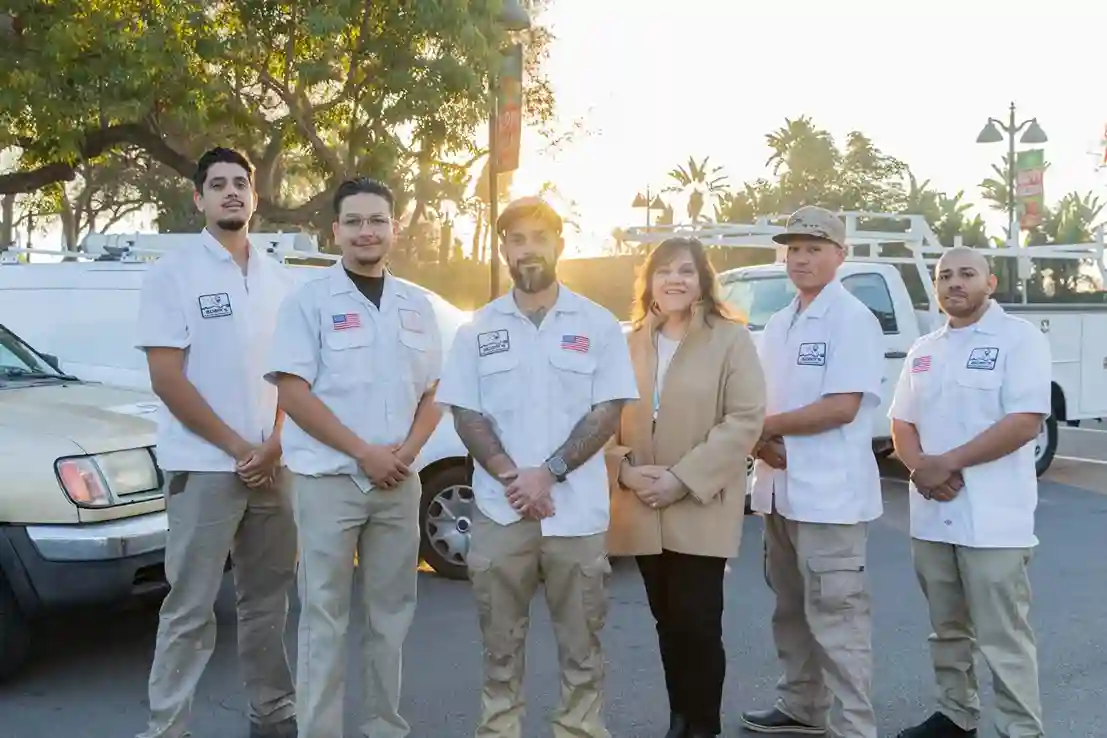
Adam is the founder, owner, and lead technician of Adam's Pool & Spa, serving Long Beach, Manhattan Beach, and the wider South Bay for about fifteen years. He is Jandy Certified and a Pentair Expert Installer, and he built the business on education-first, anti-pressure service, including the "Pool School" session every new client gets.
Frequently asked questions
How long does pool resurfacing actually take from start to finish?
The hands-on work usually runs about a week, roughly five to seven working days from the day we drain the pool to the day we refill it. Plan for one to two weeks of calendar time to allow for scheduling, tile or coping work, and weather. After that, the new finish keeps curing for about a month, and the first week of that cure is the most important. So the short answer is one to two weeks of visible work, then a cure period you manage while the pool fills back into normal life. A standard replaster on an average residential pool in Hermosa Beach or the Manhattan Beach Tree Section lands right in that window.
How long before I can swim after the pool is resurfaced?
It depends on the finish and how the start-up goes, not just the calendar. Once the pool is refilled and the water chemistry is dialed in during the first few days, most owners are back in the water within a week or two of light, careful use. The finish itself is still hardening for about a month, though, so we brush daily and hold off on heavy use, heavy heating, or aggressive chemicals early on. I'll give you the exact do-and-don't list for your specific finish before we hand the pool back.
Does the type of finish change how long it takes?
Yes. A standard white plaster is the quickest to apply and start up. Quartz and pebble finishes add steps, because the crew has to expose the aggregate with an acid wash or pressure wash after troweling, which usually adds a day of work and a more involved start-up. Longer-lasting finishes are worth the extra day for most owners, but it's a real factor in your timeline, so it's worth deciding on the finish before you book the drain date.
Can resurfacing be done during June gloom or the rainy season?
We work around it. A new plaster finish needs reasonable conditions to go in and cure well, so hard rain will push the plaster day, and the heavy marine layer that sits over the South Bay some mornings can slow surface work a little. None of that stops a project, it just means we watch the forecast and schedule the plaster and start-up for the right window. Coastal humidity is normal here and we plan for it.
Do I need a permit or HOA approval, and does that add time?
A straight replaster that doesn't change the pool's structure often doesn't need a city permit, but changing tile, coping, or adding equipment can, and a full remodel usually does. Communities like Manhattan Village may also want approval before work starts. None of that is work time, it's lead time, so the trick is to start those approvals early so they run in the background while you finalize your finish and schedule. I'll tell you honestly which bucket your project falls into up front.